
 Keith
KeithSome people believe that success is only attainable by those with resources, powerful networks, or advanced degrees. But history has a way of proving the doubters wrong. Sometimes the most extraordinary transformations come from the humblest beginnings.
This is the true story of a woman who started with almost nothing, faced hardship after hardship, yet with one idea valued at just $1, went on to change the lives of millions.
A Woman Of Vision
Bette Nesmith Graham didn’t come from a wealthy background. In fact, she knew what it was to scrape by, to make ends meet in ways most of us couldn’t imagine. She wasn’t born into opportunity. She wasn’t handed connections. What she did have, however, was grit. And more importantly, she had the kind of vision that turns scarcity into innovation.
Her moment of inspiration didn’t arrive in some pristine laboratory. It came out of necessity, in the middle of everyday struggle. Like so many great inventions, her idea was born from asking a simple yet powerful question: Why does this problem still exist, and how can it be solved in a straightforward manner?
What she created was deceptively simple. It wasn’t sleek technology or complicated engineering. It was a low-cost solution that anyone could replicate, a design that made a critical difference in people’s daily lives. And she did it with an idea that cost less than a dollar.
Genius Doesn’t Always Roar, Sometimes It Whispers
This invention didn’t just make her life better. It made the world better. Families, children, and communities that had once gone without suddenly had access to something that gave them dignity, health, and hope. From rural villages to bustling cities, her creation spread like wildfire, proof that true genius doesn’t always lie in complexity. Sometimes, it lies in simplicity.
The story gets even more remarkable. Not only did she solve a problem that had plagued communities for generations, but she also built a thriving business around it. She scaled her idea, partnered with organizations, and used her newfound fortune not to live lavishly but to continue the mission. Her invention turned her into a millionaire, but more importantly, it left a mark on the world that money alone could never measure.
What makes this tale so powerful is that it demolishes excuses. Too old? Too poor? Too uneducated? Too late? Not true. Innovation doesn’t ask about your résumé. Legacy doesn’t care about your bank balance. The only question is: are you willing to see solutions where others see problems?
The $1 Idea
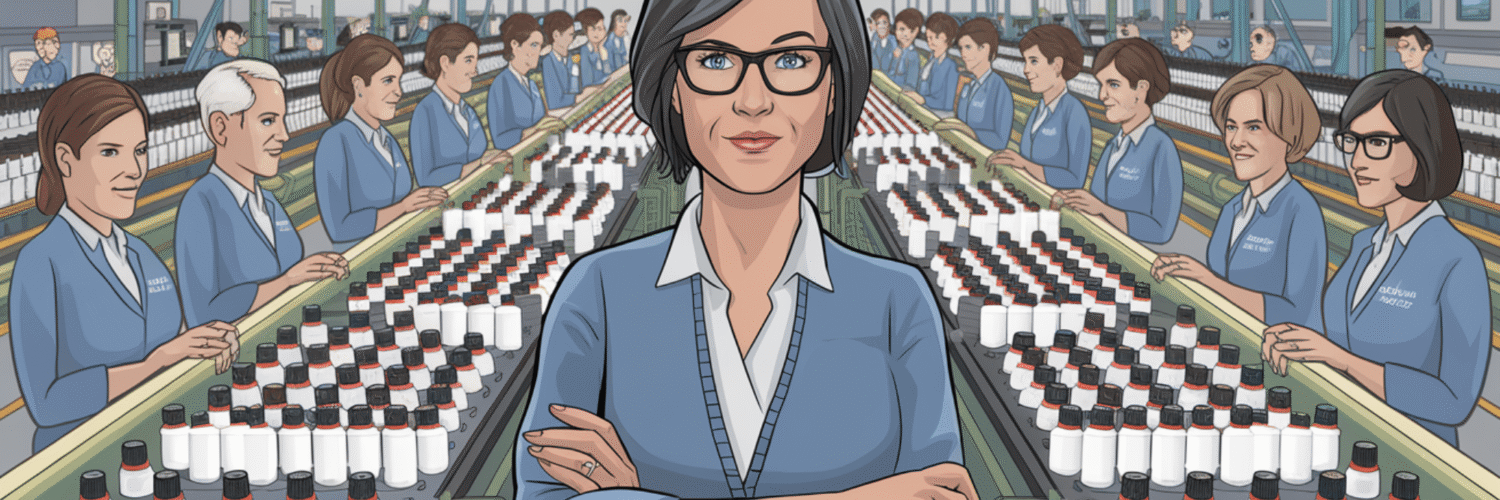
What exactly was the “$1” invention? Liquid Paper—a quick-drying white correction fluid. Bette Nesmith Graham first mixed it in her kitchen using tempera paint and a tiny brush in nail-polish bottles. Instead of retyping whole pages, you simply painted over a typo, let it dry for a moment, and typed the correct letter on top. It was simple, cheap, and brilliant, an everyday fix that saved time, saved pages, and quietly revolutionized office work around the world.
Final Note
Her $1 idea is proof of something we often forget: changing the world doesn’t always require massive resources. It requires creativity, courage, and persistence. If she could rise from hardship and build a legacy with something so small, what’s stopping the rest of us from daring to do the same?
So the next time you catch yourself thinking that success is out of reach, remember her story. A woman who turned almost nothing into everything. A woman who showed that even the smallest idea can carry the weight of a revolution.
The world doesn’t always need the next big thing. Sometimes, it just needs the simplest thing. And that’s where ordinary people, with extraordinary vision, step in.
If this post resonated with you, do give it a share, maybe someone else that you know could use some inspiration today. Please leave a comment below and let me know what you’re working on going forward.
As always, have a great day.
Keith
P.S. Don’t forget to subscribe to our YouTube channel “The Legacy Code” for thrilling stories and life-changing advice.
And…
Why not get “The Legacy Code” book? The advice in this book, in my view, is priceless.













Add comment