
 Keith
KeithWe have been taught that success is loud.
That wealth means more, more cars, more houses, more stuff. But there’s another side to that story, a quieter side. It belongs to a handful of billionaires who discovered something profound: the less they needed, the more life gave them.
These weren’t minimalists with slogans or gurus selling simplicity. They were titans of business, the kind of people we’re told spend their lives chasing excess. Yet somewhere along the way, they woke up to a truth most of society still ignores. Real freedom doesn’t come from owning more. It comes from being owned by less.
Chuck Feeney
Take Chuck Feeney, the co-founder of Duty Free Shoppers. He built a global empire and amassed billions — then gave away almost all of it. For years, no one even knew. While other moguls flaunted their fortunes, Feeney quietly funded universities, hospitals, and peace initiatives worldwide. He lived in a rented apartment, wore a $10 watch, and flew economy. When asked why, he said, “You can only wear one pair of shoes at a time.” He died with a few million left and a legacy worth more than most billionaires will ever achieve.
Yvon Chouinard
Then there’s Yvon Chouinard, the founder of Patagonia. He never wanted to be a businessman. He was a climber, a craftsman, someone who loved nature more than numbers. In 2022, he donated his entire $3 billion company to help combat climate change. He called Earth his only shareholder. It wasn’t a publicity stunt. It was a statement that purpose is a higher form of profit.
Nicholas Berggruen
Nicolas Berggruen took it further. After amassing billions in investments, he sold all his homes, his art, even his cars, and chose to live out of hotels. They called him “the homeless billionaire.” His goal wasn’t poverty. It was freedom. He believed ideas, not possessions, were the real measure of wealth. That detachment, he said, made him lighter, happier, and far more creative.
Ratan Tata
In India, Ratan Tata leads by humility. Despite overseeing one of the largest business groups in Asia, he’s known for his modesty and compassion. He drives himself, lives simply, and channels a significant portion of his fortune into education and healthcare. For him, leadership isn’t about status; it’s about service. His calm dignity made him one of the most respected figures in modern India.
Li Ka-Shing
And then there’s Li Ka-Shing, who rose from factory worker to Asia’s richest man. His secret? Discipline, humility, and spiritual steadiness. He lives by routine, eats simply, and gives generously. His foundation has donated billions, yet he remains out of the spotlight. “Wealth,” he once said, “is a responsibility, not a right.”
Different continents. Different industries. But the same pattern: each of these billionaires discovered that money is energy, and energy flows best through an uncluttered channel.
They learned what most people never do — that once you stop needing wealth to prove your worth, you step into real power. The kind that can’t be bought or sold.
Maybe that’s the hidden code behind every form of lasting success:
When you stop chasing wealth, you begin to attract it.
And when you finally stop trying to look rich, you realise you already are.
If you got value from this post, give it a share on social media, or leave a comment below. Let me know what you think of the post.
Have a great day
Keith
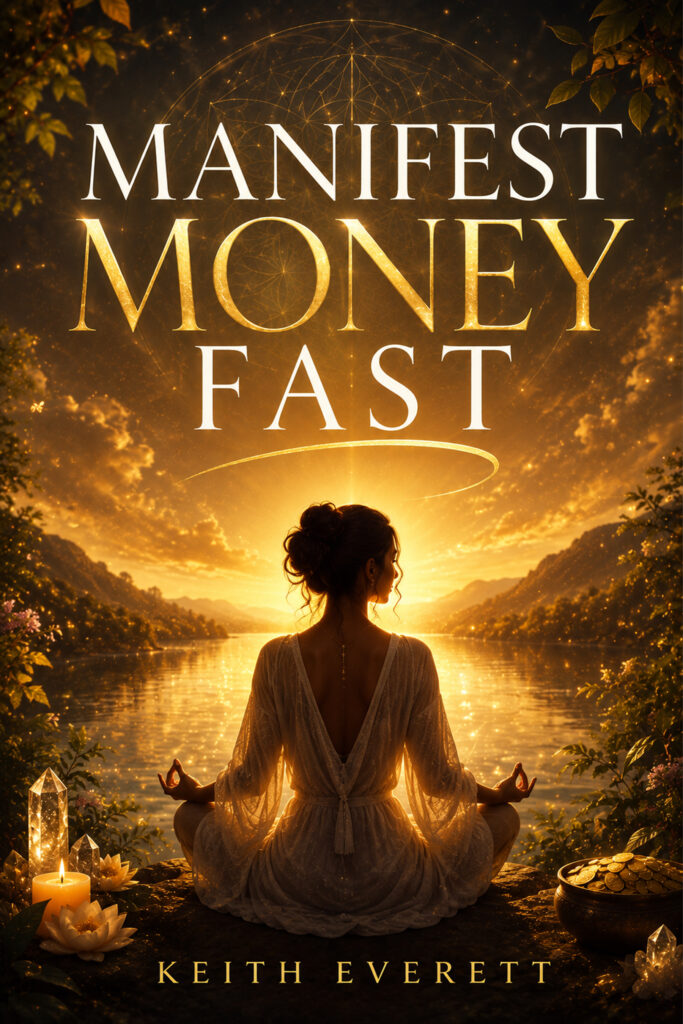
P.S, if you want more of The Legacy Code philosophy, check out my latest book. It’s available at all Amazon stores and is now also on Audible.
And why not subscribe to our YouTube channel?











Add comment